Every October 19, World Breast Cancer Day reminds us of the importance of prevention, research, and support throughout the entire journey of the disease. But it is also an opportunity to talk about something that is part of the recovery process for many patients: reclaiming their own self-image.
After a mastectomy, surgery, or chemotherapy and radiotherapy treatment, the body can change. Oncological tattoos offer different possibilities to accompany these changes: from visually reconstructing an areola to incorporating a scar into a design. And not all of them have the same purpose.
3D Areola and Nipple Tattoo
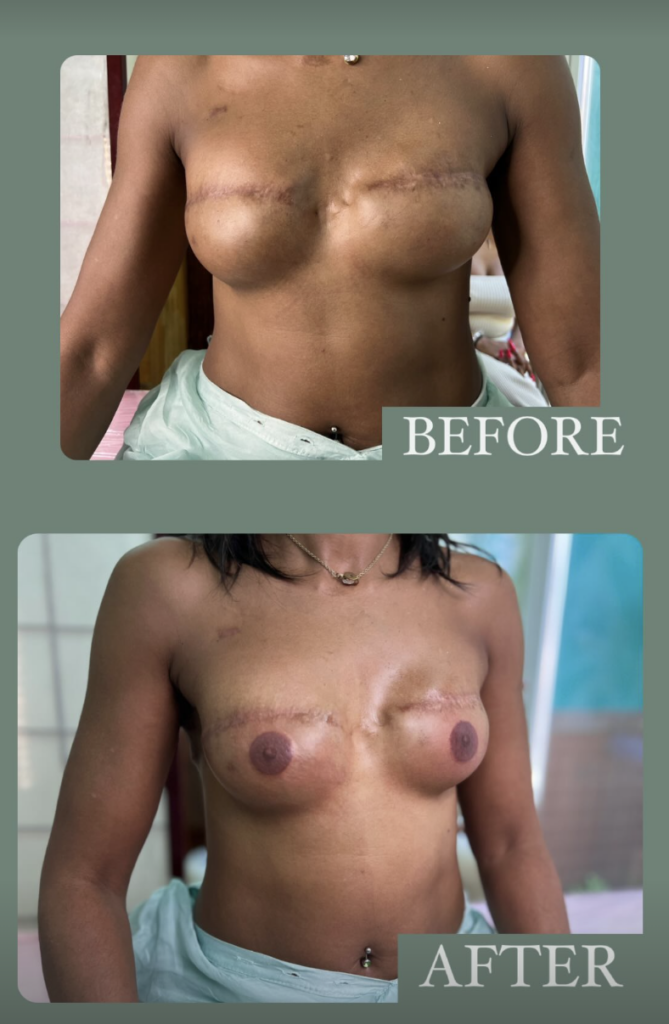
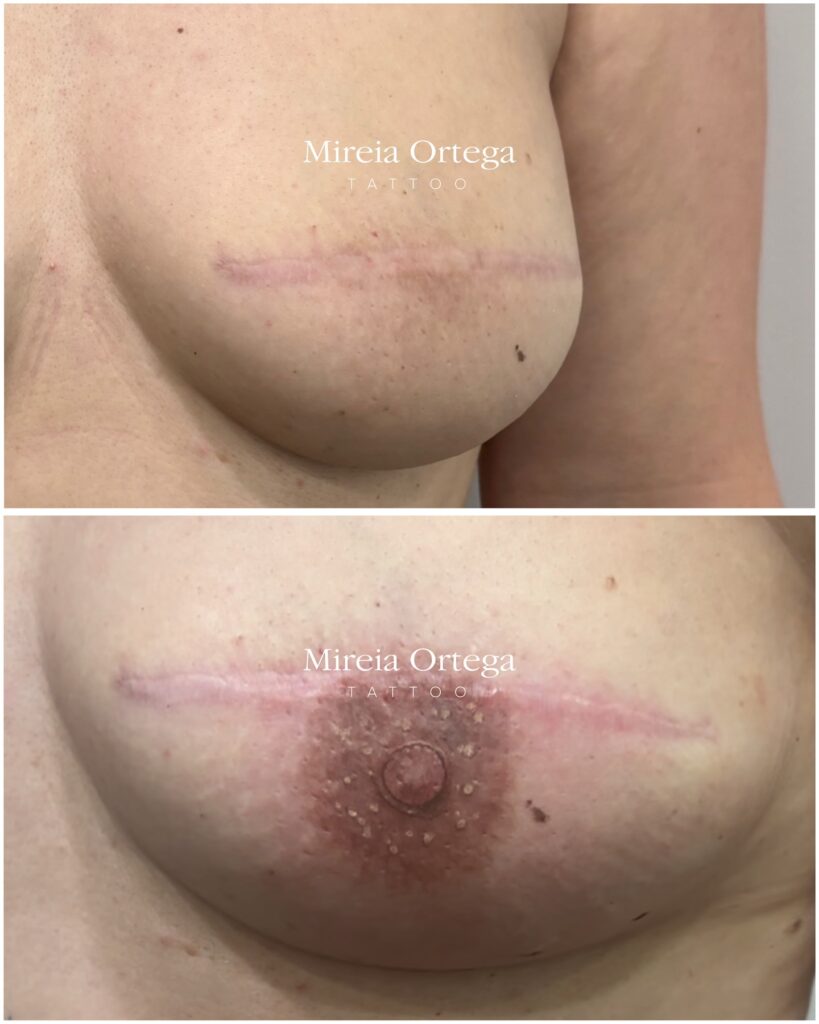
One of the best-known types of oncological tattoos is the 3D areola and nipple tattoo. In certain cases, micropigmentation can visually complete the reconstruction by creating a new areola and nipple using pigments, shading, and highlights.
The technique uses different shades and depth effects to simulate volume on a flat surface and achieve the most natural-looking appearance possible. Rather than simply adding a design to the body, it is about visually restoring a part that has been lost during the process.
Decorative tattoo over a scar
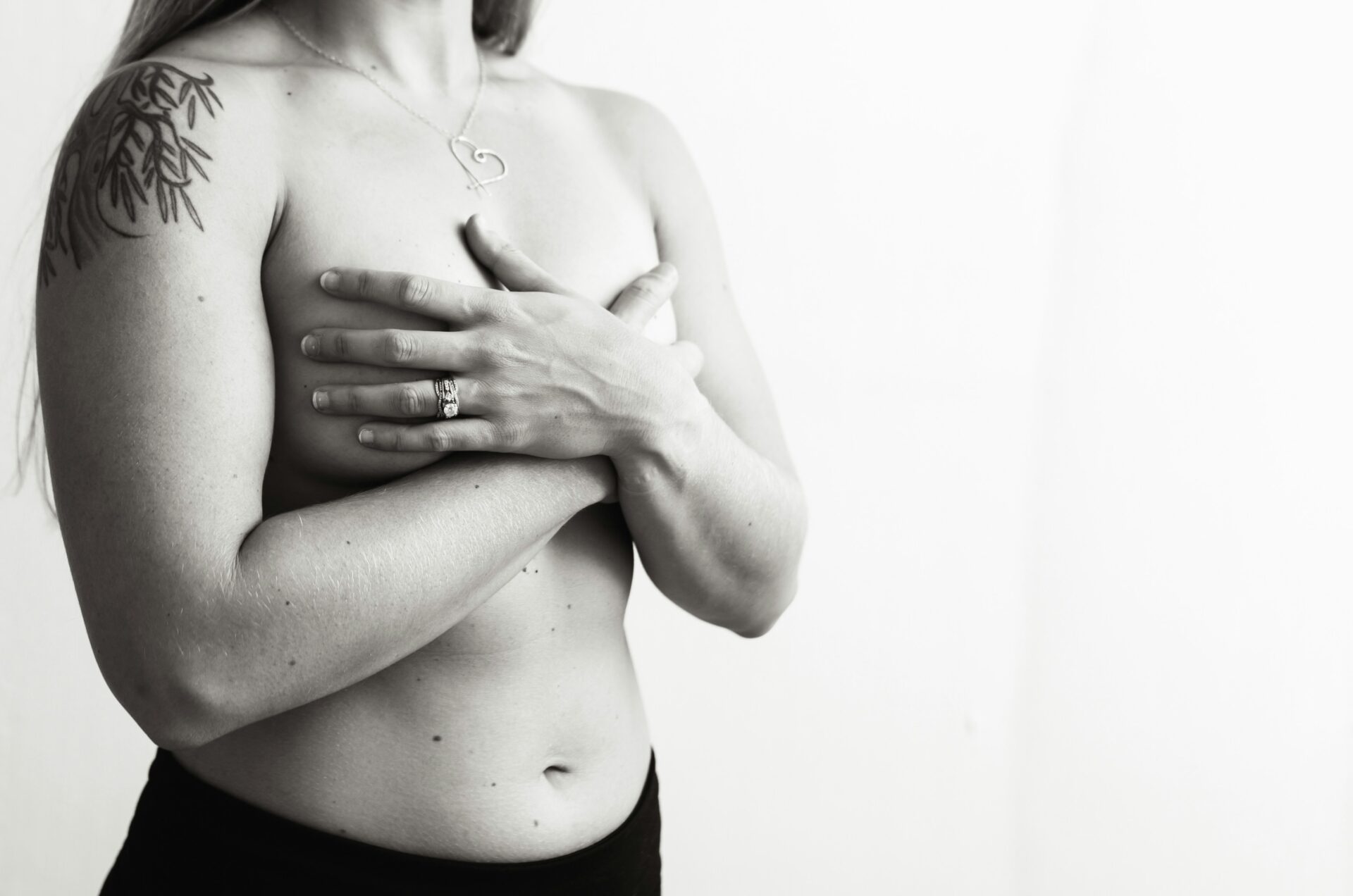
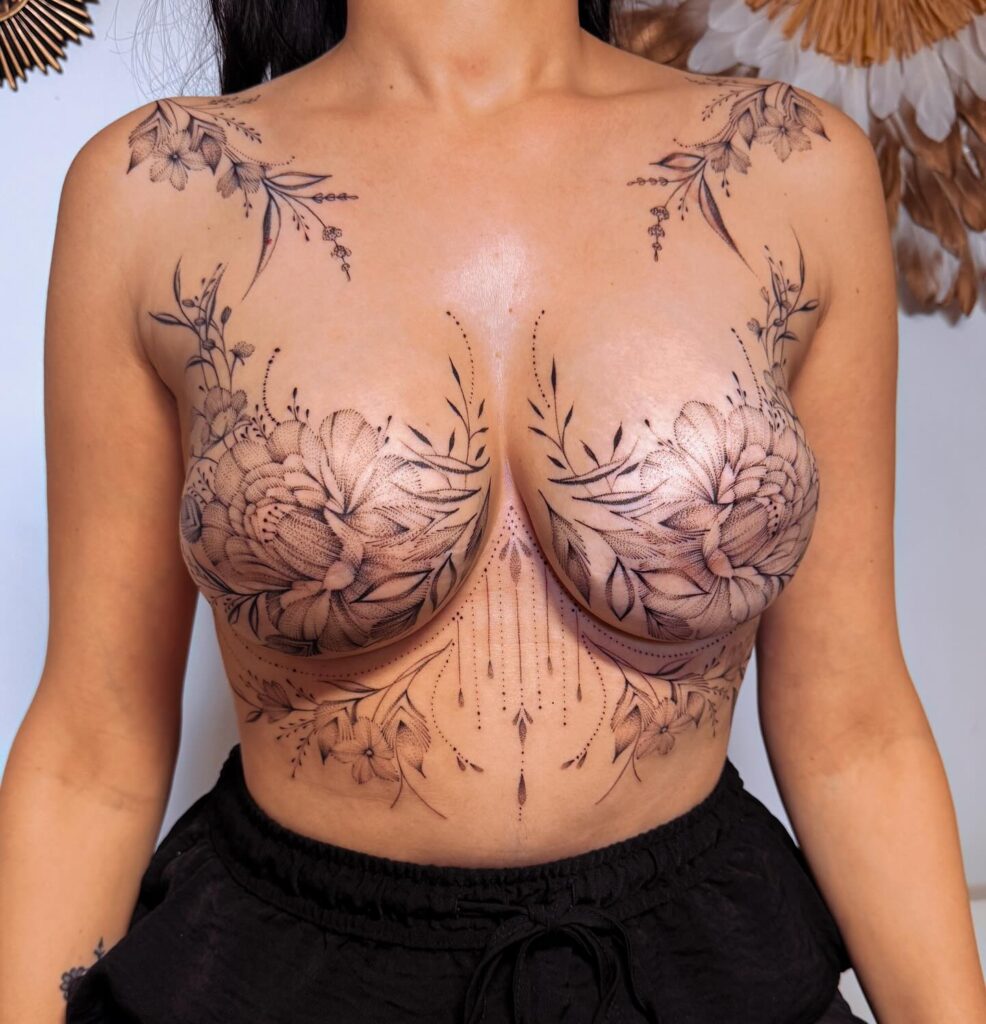
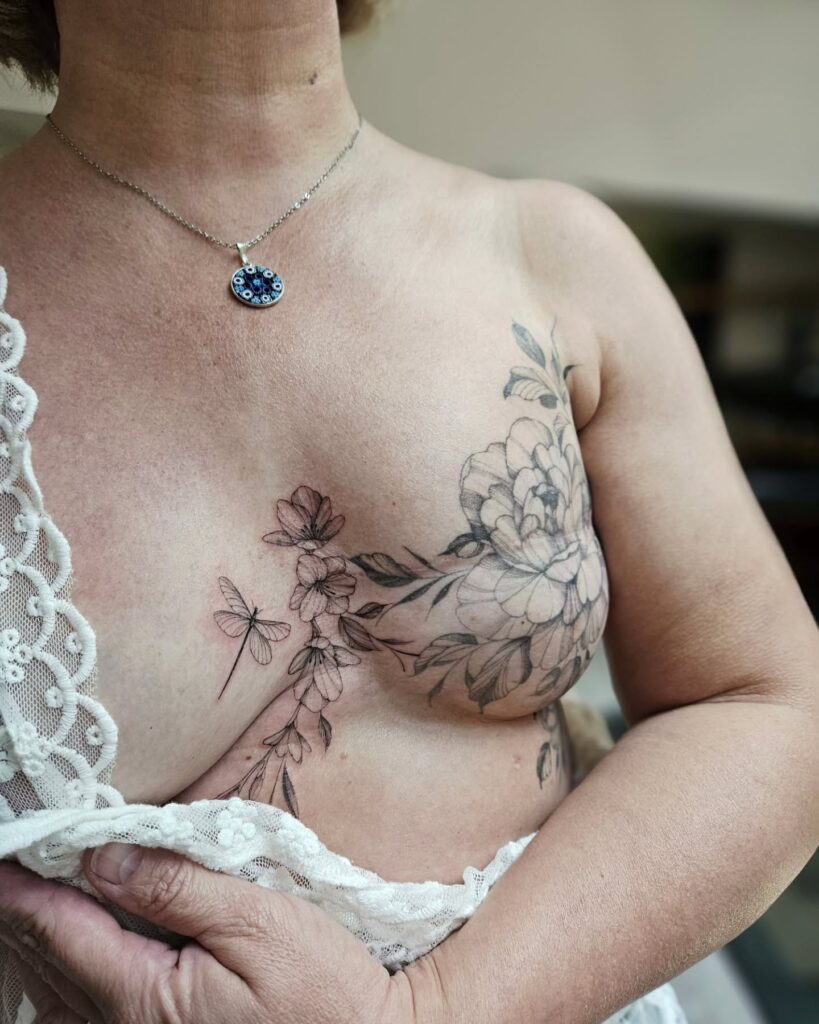
Another possibility is to use tattooing to incorporate or cover a scar. This can include floral, ornamental, symbolic designs, or any composition that can be adapted to the shape and location of the scar. The idea does not necessarily have to be to hide it. On the contrary, the scar can become part of the design.
Camouflage micropigmentation
The goal changes when we talk about camouflage micropigmentation. Unlike decorative tattooing, the aim here is not to create a design. Pigments similar to the skin tone are used to reduce the visual contrast of the scar.
Eyebrow and scalp dermopigmentation
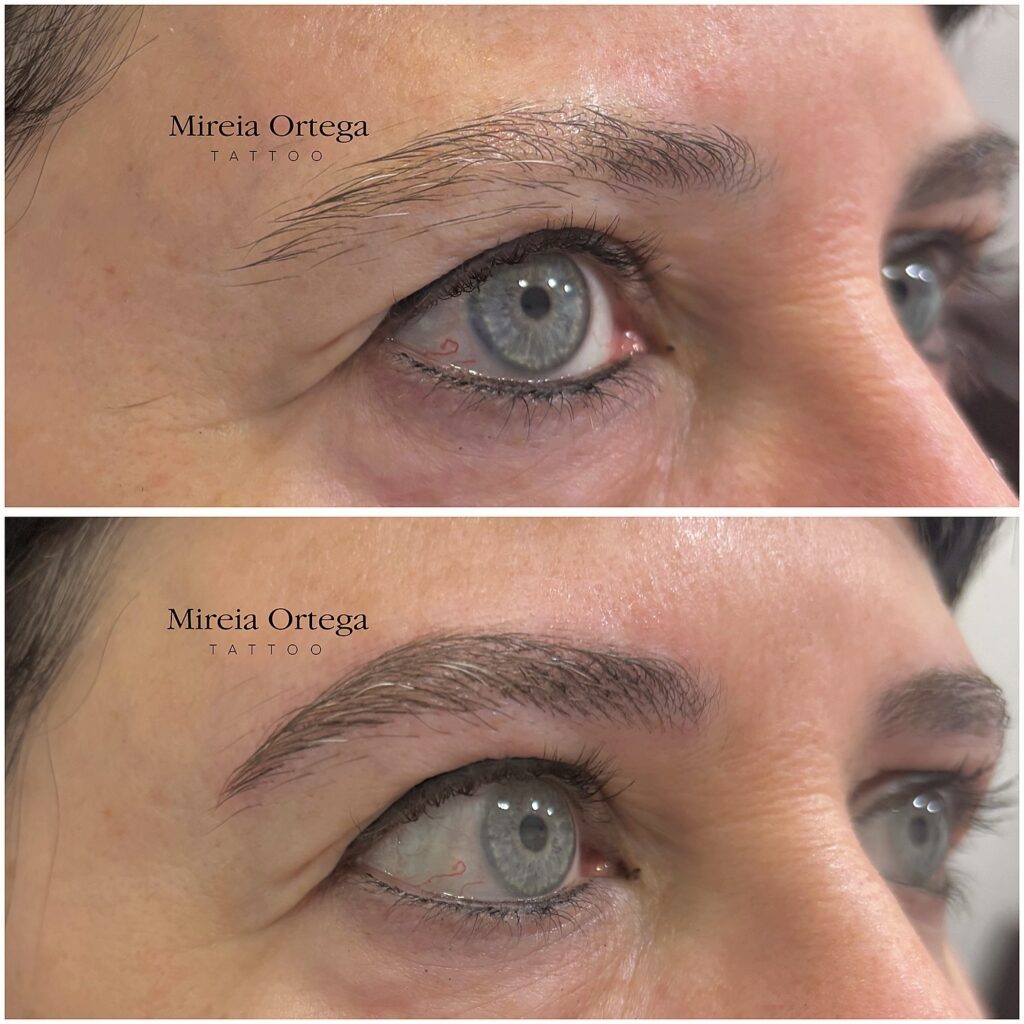
The physical changes caused by cancer are not limited to surgical scars. Chemotherapy can cause temporary hair loss and can also affect the eyebrows and eyelashes. In these cases, dermopigmentation can be an option for visually restoring some of these features.
The eyebrows, lash line, or scalp can be treated using pigmentation techniques adapted to each area.
Radiotherapy markings
There is another type of tattoo directly related to cancer treatment: radiotherapy markings. During certain radiotherapy treatments, small permanent marks, usually just a few millimetres in size, are made to serve as reference points and help ensure that the radiation beam is correctly positioned during each session.
Although their original purpose is entirely medical, some patients, once their treatment is complete, decide to transform these small dots into a design. What began as a necessary mark for treatment can later become a small personal symbol of the experience they have been through.
Before getting a tattoo: your skin needs time too
Although tattooing can be part of the recovery process, it is important to remember that not all skin is ready to be tattooed at any given time.
Recent scars and skin that has received radiotherapy may behave differently from healthy skin. Healing, sensitivity, and the condition of each area should be assessed before carrying out any procedure. The timing should not be dictated by haste or the tattoo studio, but by each person’s progress and the recommendations of their healthcare professionals.
If you are looking for more inspiration don't hesitate to take a look at Ink on Sky or if you want to keep up to date with the most important news of the sector visit our Magazink!
And now you can try for free our all-in-one tattoo studio and artist management software / app Ink on Sky Pro !

Ink on Sky – The Home Of Tattoo
Contact us